


Picture a young man the night before his first job interview. He has a shirt and a necktie, but no one has ever shown him how to tie it, how the shirt should fit, or which collar works best. He can search for answers online, but for many young people, that is where the guessing begins.
This is the gap the Figgers Foundation's internship and work readiness program is built to fill. It begins with a necktie and moves on to the rest of professional life.
What Schools and Homes Don't Always Teach
Some of these skills never make it into a classroom, and not every family can pass them on. Teens from low-income or single-parent households often have no one to ask what to wear, how to speak to a manager, or what to do after a mistake at work.
Those questions matter more now than they used to. Just over a third of teens ages 16 to 19 have held a paying job this summer, down from more than half as recently as 2000. Teen unemployment reached 14.6% in June 2026. With fewer entry-level jobs to go around, an unprepared interview can cost a young person the chance.
From Learning the Knot to Walking In Confident
In the program, participants learn how to tie a necktie, how a shirt should fit, and how to choose the right collar. Then they move on to the parts of a job that no one sees in an interview: corporate terminology, workplace ethics, communication, and how to take feedback.
Director of Programs Santay Thompson and Natalie Figgers, CFO of the Foundation, led the sessions themselves, drawing on decades of professional experience to give participants practical guidance they could apply beyond the classroom. Rather than simply explaining each skill and moving on, they stayed alongside the young men as they practiced, offering feedback and helping them work through what they had learned until it became something they could use with confidence.
A Seat at the Table
The lessons also reach beyond the office. The program includes culinary sessions featuring international cuisines, because careers and networking often lead people into rooms and meals they haven't seen before. Participants practice how to carry themselves in these situations and leave with more self-confidence than they arrived with.
Along the way, they get what many of them have not had before: someone willing to show them how it's done.
A Mission Built on Opportunity
This program is a clear example of how the Figgers Foundation puts its mission into practice. By combining employment opportunities, education, technology, and personal development, the Foundation works to give people the tools and opportunities to move beyond the circumstances that might otherwise limit them.
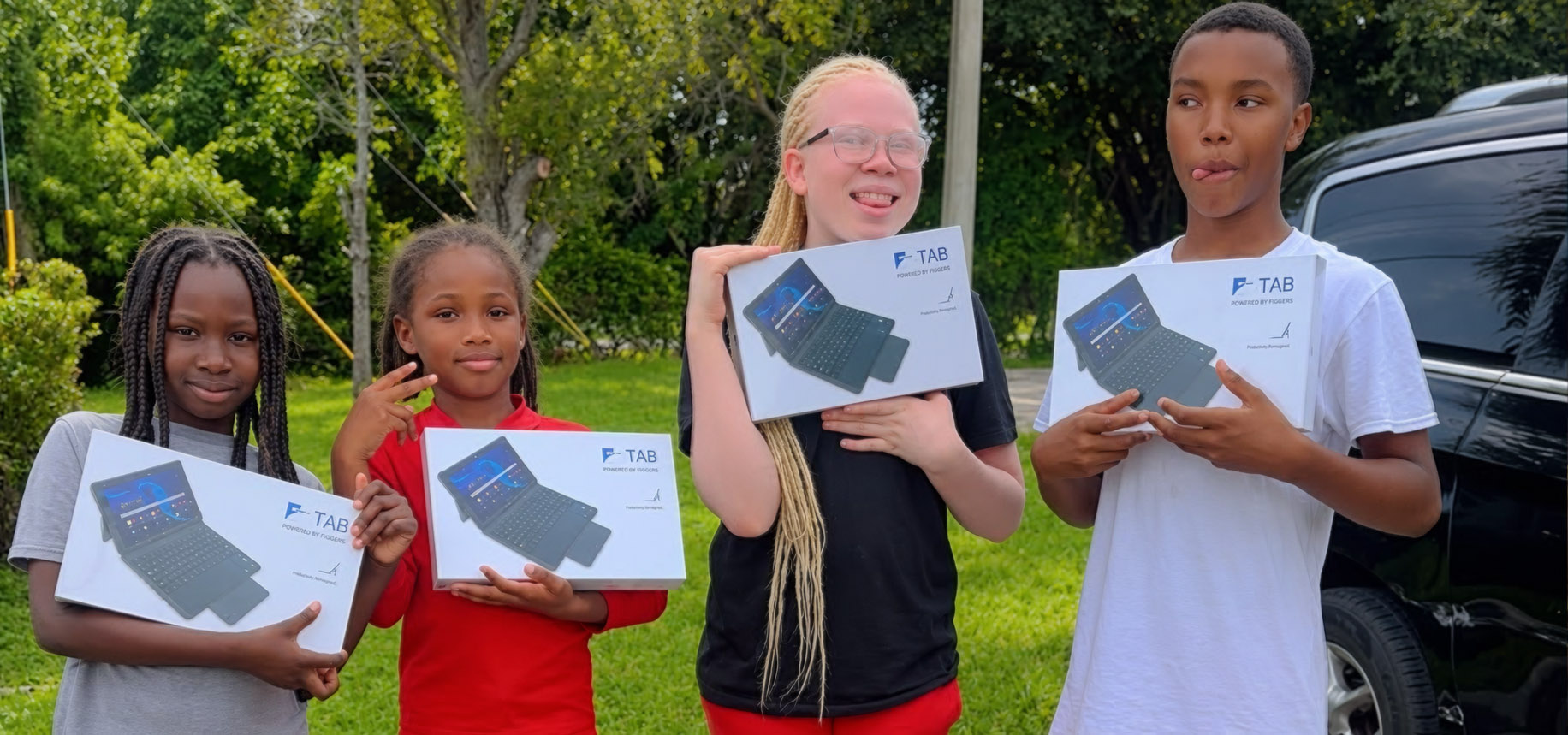
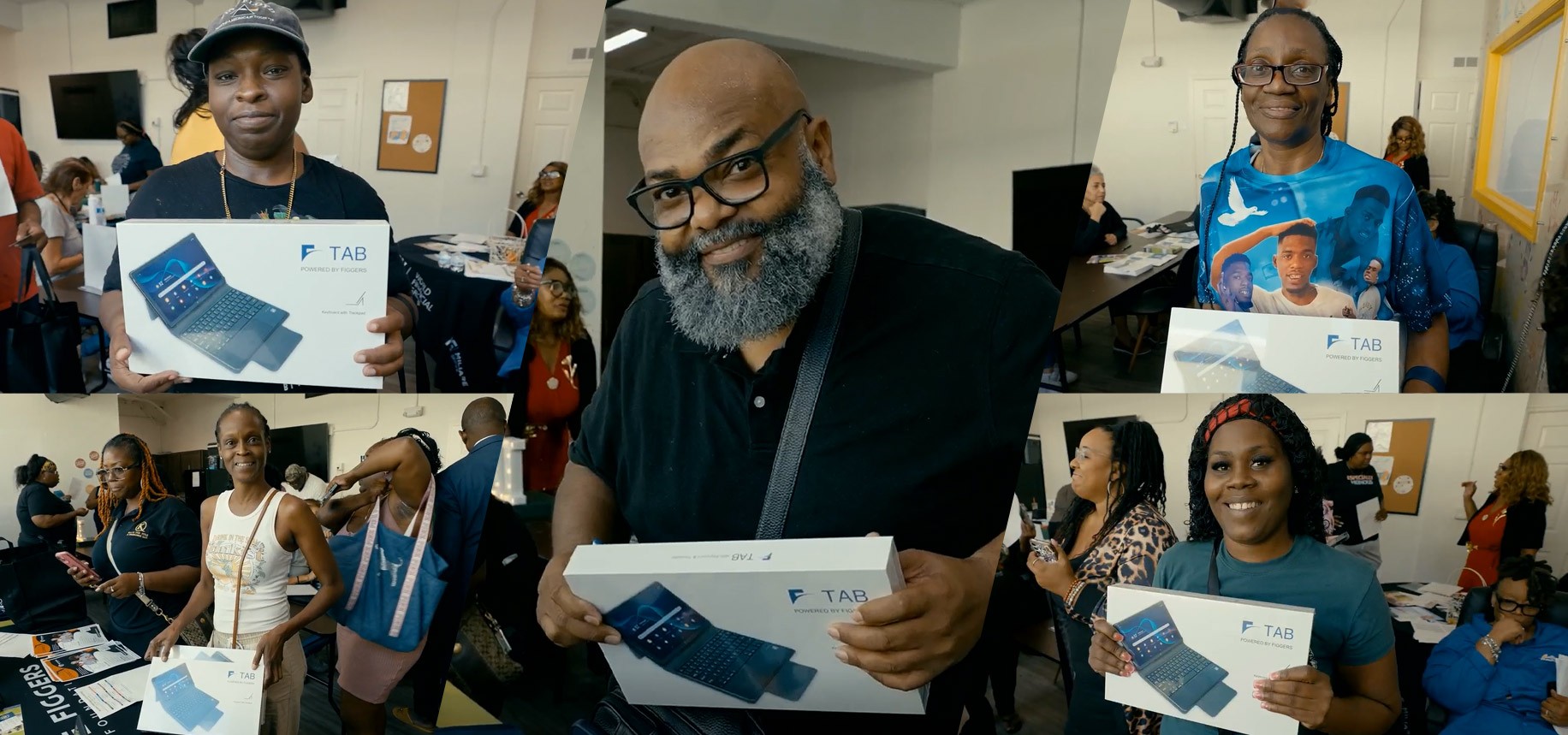
The same approach runs through its other work. In rural and underserved communities, the Foundation provides technology that can help children learn, families stay connected, and older adults navigate an increasingly digital world. Each effort addresses a different need, but the goal remains the same: making access to the tools people need less dependent on where they come from or what they can afford.
For the young men in this program, that access begins with practical lessons, a properly tied necktie, and the confidence to walk into their next opportunity prepared for what comes next.